Source Bike Cover for Motorcycles, Bicycles, and Wheels
Find 30 verified options for a bike cover tailored to motorcycles, bicycles, and wheels. Compare features like waterproofing, UV protection, and fabric types from suppliers in China with customizable sizes and lead times; compare the available evidence and request quotations based on your requirements.
Key considerations
Products List


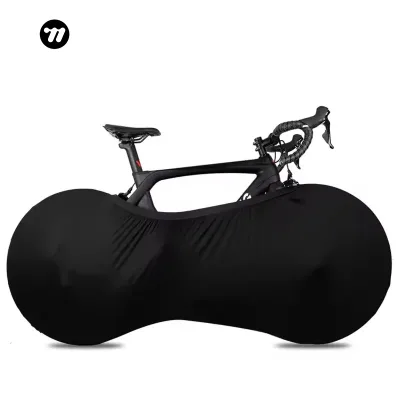


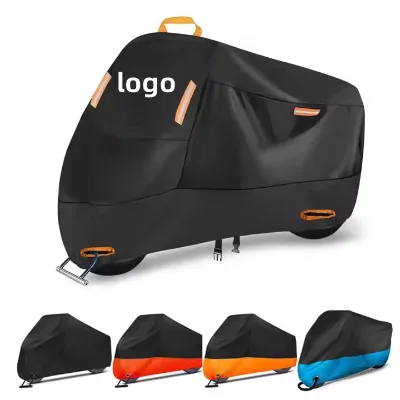
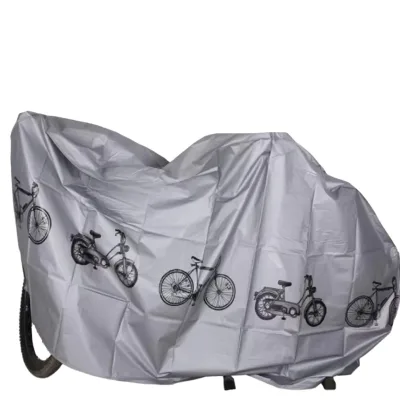


Comprehensive Sourcing Guide
Bike Cover Sourcing Guide
Product Scope and Observed Listing Signals
The market for bike covers encompasses a diverse range of protective solutions, primarily categorized into full motorcycle covers and specialized bicycle accessories. High-confidence data indicates that suppliers offer items ranging from comprehensive waterproof and anti-UV motorcycle covers to breathable, dustproof covers designed for ordinary bicycles, mountain bikes, road bikes, and kids' bikes. The fabric types observed include non-woven materials, weft knitting, woven textiles, and synthetic blends such as polyester with spandex, each selected for specific environmental protections like scratch resistance or breathability. Buyers must distinguish between general vehicle protection and niche products like bicycle wheel covers, which feature specific dimensions and openings tailored to rim protection rather than full-frame coverage.
Listing signals reveal a strong emphasis on customization and original equipment manufacturer (OEM) services, suggesting that many suppliers operate as made-to-order facilities rather than holding extensive stock of finished goods. The observed supply type is predominantly made-to-order, with lead times ranging from thirty to forty days, which significantly impacts inventory planning for retailers. Furthermore, the presence of various model numbers, such as BC001, MT006, and ACC2020, alongside specific size standards like S, M, L, and XL, indicates a fragmented product landscape. Procurement teams should verify whether the listed attributes apply to a single SKU or represent a broader catalog, as mixing these signals can lead to confusion regarding material composition and functional capabilities during the initial sourcing phase.
Technical Specifications to Verify
Technical verification begins with confirming the material composition and its corresponding functional properties, as the supplied data lists conflicting fabric types such as non-woven, woven, weft knitting, polyester, and PVC. Buyers must clarify which material corresponds to the desired performance characteristics, such as waterproofing versus breathability, since PVC offers robust water resistance but may lack the airflow needed for long-term storage, whereas polyester blends provide durability and elasticity. It is critical to validate the exact dimensions of the cover against the target vehicle, noting that some products specify precise measurements like a length of 149cm and a height range of 48-58cm, while others rely on generic size standards. Misalignment between the cover’s physical specifications and the bicycle’s geometry can result in inadequate protection or poor fitment, especially for specialized items like wheel covers with specific opening sizes.
Further technical due diligence requires examining the packaging and weight specifications to ensure logistical compatibility and product integrity. The observed packing methods include cartons and carton packaging, with single package sizes recorded at 30x25x4 cm and weights around 350g for certain models. These metrics are essential for calculating freight costs and warehouse storage requirements, particularly when sourcing from origins like Zhejiang or Yiwu in China. Buyers should also verify the condition of the goods, ensuring they are new and not refurbished, and confirm the availability of sample times, which typically range from seven to ten days. This allows for physical inspection of the fabric quality, stitching durability, and the effectiveness of anti-scratch or UV protection features before committing to larger production runs.
Compliance and Safety Documentation
Compliance verification is a critical step in the sourcing process, as the observed data includes various certification claims such as ISO, RoHS, CE, and ISO9001:CCC. Buyers must rigorously validate these certifications with the supplier, ensuring that the documentation is current and applicable to the specific product category and region of import. For instance, while ISO certifications indicate quality management systems, RoHS and CE marks are crucial for products containing plastics or chemicals that may be regulated in international markets. It is important to note that not all listed products may hold every certification mentioned in the aggregate data, so procurement teams should request specific certificates for the exact model numbers being ordered, such as MT004 or BC003, to avoid customs delays or regulatory penalties.
In addition to product-specific certifications, buyers should inquire about the export standards and manufacturing practices that govern the production process. The observed standard of "Export Standard" suggests adherence to general international trade requirements, but this term is vague and requires further clarification. Procurement teams should ask for detailed test reports or compliance statements that align with the destination market’s regulations, particularly regarding flammability, chemical safety, and material durability. Verifying these documents early in the negotiation phase helps mitigate risk and ensures that the supplier’s quality control systems are robust enough to maintain consistency across large orders, especially given the made-to-order nature of many of these listings.
Cost Drivers and Commercial Terms
Cost structures for bike covers are influenced by several key factors, including material selection, customization requirements, and order volume. The observed minimum order quantities (MOQ) range from 2 to 2000 pieces, with some specific models requiring a minimum of 500 pieces, which directly impacts the unit price and initial capital outlay. Buyers should negotiate based on their volume commitments, keeping in mind that higher MOQs often yield better per-unit costs but increase inventory holding risks. Additionally, the availability of OEM services and customization options can add to the base price, as these processes require additional setup time and resource allocation from the supplier. Understanding these variables is essential for accurate budgeting and for determining the total landed cost, which includes freight, insurance, and potential tariffs.
Commercial terms also play a significant role in the overall cost and risk profile of the procurement. The observed payment methods include T/T (Telegraphic Transfer) and L/C (Letter of Credit), each offering different levels of security and cash flow implications. T/T is common for established relationships but carries higher risk for new buyers, while L/C provides greater security at the cost of higher banking fees and administrative complexity. Lead times, observed to be around thirty days for some items and thirty-five to forty days for others, must be factored into the total cost of ownership, as delays can result in stockouts and lost sales. Buyers should clearly define these terms in the purchase agreement, including penalties for late delivery and conditions for sample approval, to protect their interests and ensure smooth transaction execution.
Supplier Qualification and Quality Control
Supplier qualification requires a thorough assessment of the manufacturer’s capabilities, particularly given the made-to-order nature of the products and the diverse origins listed, such as Zhejiang and Yiwu in China. Buyers should verify the supplier’s production capacity, quality management systems, and ability to handle customization requests, as these factors directly impact the consistency and reliability of the final product. It is advisable to conduct factory audits or request third-party inspection reports to confirm that the supplier’s facilities meet international standards for manufacturing and safety. Additionally, buyers should evaluate the supplier’s responsiveness and communication skills, as effective collaboration is crucial for resolving technical issues and ensuring that the final product meets the specified requirements.
Quality control measures must be integrated into the procurement process to mitigate the risks associated with large, customized orders. Buyers should establish clear quality standards and inspection criteria, including checks for material integrity, stitching quality, and functional performance such as waterproofing and UV resistance. It is recommended to implement a pre-production sample approval process, leveraging the observed sample times of seven to ten days, to validate the product before mass production begins. Furthermore, buyers should consider hiring third-party inspection services to conduct pre-shipment inspections, ensuring that the goods meet the agreed-upon specifications and quality levels before they are shipped. This proactive approach helps prevent defects and ensures that the supplier delivers products that meet the buyer’s expectations and market demands.
Long-Term Procurement Checks
Long-term procurement success depends on establishing a robust supplier relationship management strategy that includes regular performance reviews and continuous improvement initiatives. Buyers should track key performance indicators such as on-time delivery rates, product quality consistency, and responsiveness to issues, using this data to inform future sourcing decisions. Regular communication with the supplier is essential to address any emerging challenges and to explore opportunities for cost optimization or product enhancement. Additionally, buyers should stay informed about changes in market trends, regulatory requirements, and material technologies, as these factors can impact the availability and cost of bike covers over time. By maintaining a proactive and collaborative approach, buyers can build a resilient supply chain that supports their business goals.
Finally, buyers should periodically reassess their supplier base to ensure they are leveraging the best available options in the market. This may involve sourcing from multiple suppliers to mitigate risk, exploring new markets or regions for better pricing or quality, and evaluating the potential for vertical integration or direct manufacturing partnerships. It is also important to monitor the financial stability and reputation of suppliers, as these factors can impact their ability to deliver goods consistently. By conducting regular due diligence and maintaining a strategic perspective on sourcing, buyers can ensure that they remain competitive and resilient in the face of market fluctuations and supply chain disruptions. This long-term view helps to secure a stable supply of high-quality bike covers that meet the evolving needs of their customers.
FAQs
What sizes are available for bike cover products?
Bike cover products are commonly offered in S, M, L, and XL standards, and some models are graded as L/XL only. To choose correctly, measure your bicycle length and handlebar height before ordering. Since supply is made-to-order with customization available, buyers can request a specific size run matched to their product mix, such as separate fits for kids bikes, mountain bikes, and road bikes.
How long is the typical lead time for a bike cover order?
Lead time is typically around 30 days for motorcycle cover production, while bicycle cover lead time generally runs 35 to 40 days. Sample time is usually 7 to 10 days before bulk production begins. Because orders are made-to-order, confirm the final schedule with the supplier at quotation stage, as fabric choice, customization level, and order quantity can extend production.
Which fabrics are used for bike cover production?
Bike cover fabrics include non-woven material, weft knitting, and woven constructions, with polyester and PVC also used on specific models. Waterproof, anti-UV, and anti-scratch functions are common for outdoor protection, while dustproof and breathable versions suit indoor storage. Ask for fabric specifications and function test details for the exact model you plan to order, since properties vary by construction.
Can I order a customized bike cover with my own branding?
Yes, customization is available and OEM service is provided on these bike cover lines. You can typically specify size, fabric type, color, logo placement, and packaging, with carton packing as the standard export method. Provide artwork and requirements early, because sampling takes about 7 to 10 days and bulk lead time is 30 to 40 days depending on the product line.
What is the minimum order quantity for bike cover purchases?
Observed MOQ for bicycle cover models starts at 500 pieces, though the wider category shows listings from 2 to 2000 pieces depending on the product and supplier. MOQ depends on customization level, fabric, and size range. If you need a smaller trial order, ask suppliers which models allow low MOQ, then scale to full production once the sample is approved.
How should I pack and ship bike cover orders?
Carton packing is the standard method, and export standard packing is available for international shipments. One wheel cover model packs at a single package size of 30 by 25 by 4 centimeters with a weight of 350 grams, which helps estimate carton loading. Confirm carton dimensions, gross weight, and shipping terms with the supplier, and plan for payment via T/T or L/C.
Which certifications should I check when sourcing a bike cover?
Listed certifications in this category include ISO, RoHS, CE, and ISO9001, so verify which ones apply to the specific model rather than the whole catalog. Certification matters most for regulated markets and for buyers who need documented quality systems. Request certificate copies and scope before ordering, and confirm whether certification covers the exact fabric and construction you intend to purchase.
What functions does a bike cover provide for different bike types?
Bike covers are designed for ordinary bicycles, mountain bikes, road bikes, and kids bikes. Outdoor versions emphasize waterproof and UV protection, while indoor versions focus on dustproof, breathable, and anti-scratch performance. Specific sizes reflect this, such as a length of 149 centimeters with height of 48 to 58 centimeters. Match the function set and size to your storage environment and bike type.